fbpx

AI-Generated vs. Human Content: Which is Better for Website Ranking?

In today’s digital world, content optimization is the backbone of every website. Whether you post a blog, run an e-commerce store, or run a service-based business, your content quality determines how search engines rank your business and how visitors engage with your brand. But with artificial intelligence (AI) now capable of generating articles, product descriptions, and even social media posts in seconds, many business owners are asking: Should I use AI-generated content, or is human-written content still the best choice for SEO ranking?

This debate is growing among SEO professionals and digital marketing services providers. AI promises speed and efficiency, while humans bring creativity, authenticity, and emotional connection. Let’s break down the pros and cons of each to understand which works best for improving your Google ranking factors.
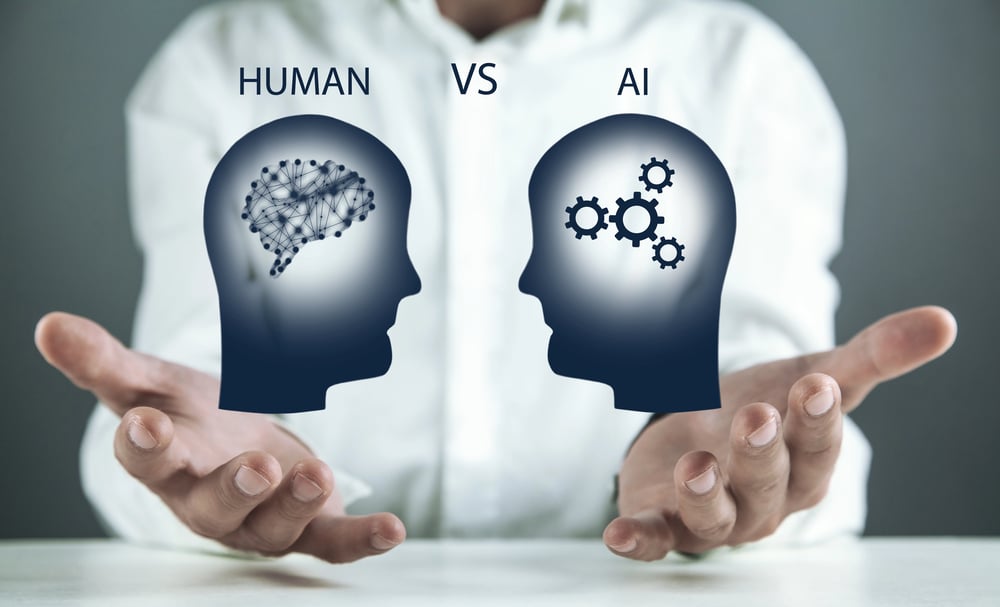
human vs ai

A Brief Overview of AI-Generated Content

AI-generated content is written by computer programs powered by machine learning models. These tools analyze massive amounts of data, identify patterns in language, and then generate text that looks like it was written by a person.

Some common examples include:

  • Blog posts generated in minutes.
  • Automated product descriptions for e-commerce stores.
  • Social media captions created with a single click.
  • SEO-friendly articles with pre-inserted keywords.

The main advantage? Speed. A task that takes a human two days can be completed by AI in twenty minutes—making it appealing for businesses needing high-volume content for their SEO services.

A Brief Overview of Human-Written Content:

Human-written content, as the name suggests, is created by real people. Writers use their own knowledge, research, and creativity to develop articles, stories, or sales copy. Unlike AI, humans can connect emotionally with readers, adapt tone to different audiences, and share personal experiences.

Examples include:

  • In-depth blog posts with expert insights.
  • Opinion articles based on real-life experiences.
  • Creative storytelling in brand campaigns.
  • Unique guides that answer user-specific questions.

Human-written content may take longer and cost more, but it brings originality and trustworthiness to the table.

How Content Quality Matters for Website Ranking?

Before comparing AI vs. human content, it’s important to understand what search engines like Google actually look for when ranking websites. Google’s ranking factors heavily focus on:

  • Relevance: Does the content answer the user’s search query?
  • Quality: Is the information accurate, well-structured, and valuable?
  • Originality: Does the content offer something new, or is it just a copy of what’s already online?
  • User Experience: Does the content provide an enjoyable, clear, and engaging reading experience?
  • E-E-A-T (Experience, Expertise, Authoritativeness, Trustworthiness): Does the writer demonstrate real-world experience and credibility?

While human-written content takes more time and money, it builds trust and PROVIDES ORIGINALITY that AI often struggles to replicate—an important factor in Google’s ranking factors.

Strengths & Weaknesses of AI-Generated Content for Website Ranking

Strengths of AI-Generated Content for Website Ranking

  1. Speed and Efficiency
  2. AI is capable of generating thousands of words much faster than a human can. This is ideal for businesses that need high-volume content, such as e-commerce stores with hundreds of product listings.
  3. Cost-Effective
  4. Hiring professional writers can be expensive. AI tools often come at a lower monthly subscription, making them budget-friendly for startups or small businesses.
  5. SEO Optimization
  6. Many AI tools are trained to include keywords naturally, follow SEO guidelines, and even suggest meta descriptions, helping websites rank faster.
  7. 24/7 Availability
  8. AI doesn’t get tired. It can generate content anytime, which is useful for global digital marketing services.

Weaknesses of AI-Generated Content for Website Ranking

  1. Lack of Depth and Originality
  2. AI doesn’t have real-life experience. Its content is based on patterns from existing data, which often leads to generic and repetitive writing.
  3. Risk of Inaccuracy
  4. AI tools sometimes produce incorrect information. Without fact-checking, this can damage credibility and SEO rankings.
  5. No Emotional Connection
  6. AI struggles to capture human emotions, storytelling, or cultural nuances, which are essential for engaging readers.
  7. Google’s View on AI Content
  8. While Google has stated it values quality over authorship, poorly generated AI content that looks spammy can harm search engine optimization practices. If AI content lacks originality or expertise, it may get flagged as low-value.

Strengths & Weaknesses of Human-Written Content for Website Ranking

Strengths of Human-Written Content for Website Ranking

  1. Creativity and Storytelling
  2. Humans can weave stories, share personal experiences, and create content that resonates emotionally with readers.
  3. Trust and Authenticity
  4. When an expert writes content, readers are more likely to trust the information. This aligns perfectly with Google’s E-E-A-T guidelines.
  5. Adaptability
  6. Humans can adjust tone, style, and perspective depending on the audience. AI often struggles with such flexibility.
  7. Strategic Thinking
  8. A human writer understands the brand voice, marketing goals, and customer pain points—things AI can’t grasp without heavy prompting.

Weaknesses of Human-Written Content for Website Ranking

  1. Time-Consuming
  2. Crafting high-quality articles takes hours or even days. Businesses looking for quick results may find this slow.
  3. Higher Costs
  4. Professional writers charge more than an AI tool subscription. For startups with limited budgets, this can be challenging.
  5. Scalability Issues
  6. Producing large volumes of human-written content consistently can be difficult.

Which One Does Google Prefer?

Here’s the most important part: Google doesn’t care if content is written by AI or humans—as long as it is useful, original, and valuable to the reader. In other words:

  • If AI content is spammy, low-quality, or repetitive, Google will push it down.
  • If human content is poorly written or keyword-stuffed, it will also perform badly.

Google’s algorithms are becoming smarter at detecting intent and value. That means the winner isn’t AI or humans—it’s quality content.

The Best Approach for Website Ranking: A Blend of Both

The most effective strategy for digital marketing services and smart business owners today is combining AI with human expertise. Here’s how:

  1. Use AI for Research and Drafting
  2. AI can help generate outlines, keyword suggestions, and even first drafts, saving time for writers.
  3. Let Humans Refine and Add Value
  4. Writers can fact-check, add personal insights, restructure content, and ensure it matches the brand’s voice.
  5. Focus on Originality
  6. Add case studies, real-life examples, or expert opinions that AI cannot create.
  7. Prioritize Editing and Proofreading
  8. Even AI-assisted drafts must be reviewed for grammar, accuracy, and readability. This hybrid approach ensures content is not only fast to produce but also engaging and trustworthy.

Final Words:

So, which is better for website ranking—AI or human content? The answer is simple: quality matters most.

  • Need speed, scalability, and basic SEO? AI can be a great tool.
  • Want depth, originality, and emotional connection? Human-written content wins every time.

In 2025 and beyond, businesses that partner with experienced digital marketing companies like Bizfist IT Solutions in Surrey, BC, and entrust their content management to SEO and creative writing experts will achieve the best search engine optimization results. 

The goal is simple: publish helpful, original, and trustworthy content that your audience loves and that aligns with Google’s ranking factors.